Learning and Curriculum
Purposeful play. Guided intention. World-ready children.
At Safe n Sound Clarkson, our early learning curriculum supports children from 6 weeks to 5 years through purposeful play, strong relationships and thoughtfully designed environments.
Because we are a small, family-run early learning centre in Clarkson, we can provide long day care that is responsive, engaging and designed to build confident, capable children.
Our Anchor and Explore programming style and guiding principles form the foundation of our curriculum. These practices reflect the Early Years Learning Framework while shaping deeper opportunities for children to build identity, capability and confidence.
Purposeful Play in Action
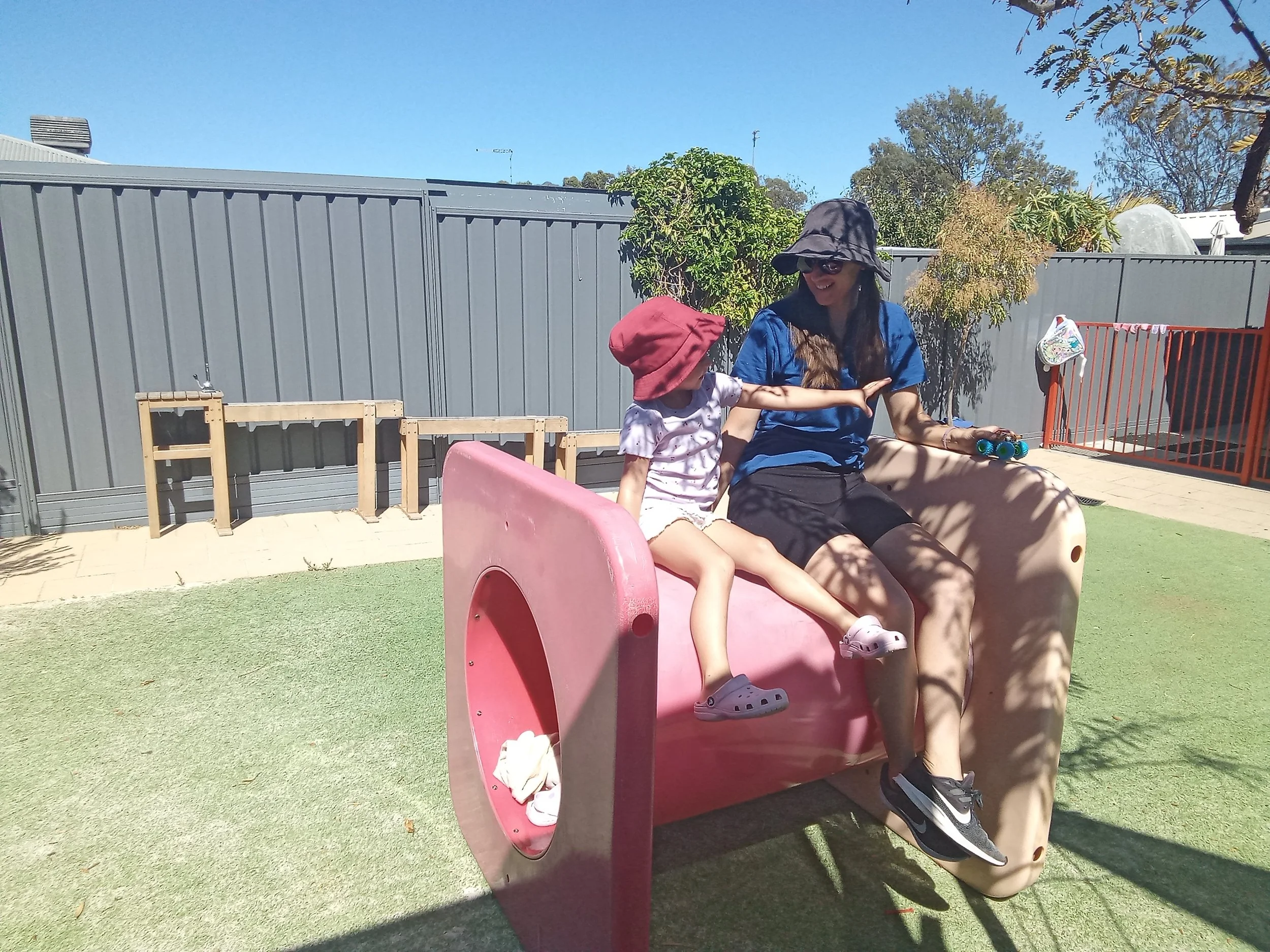
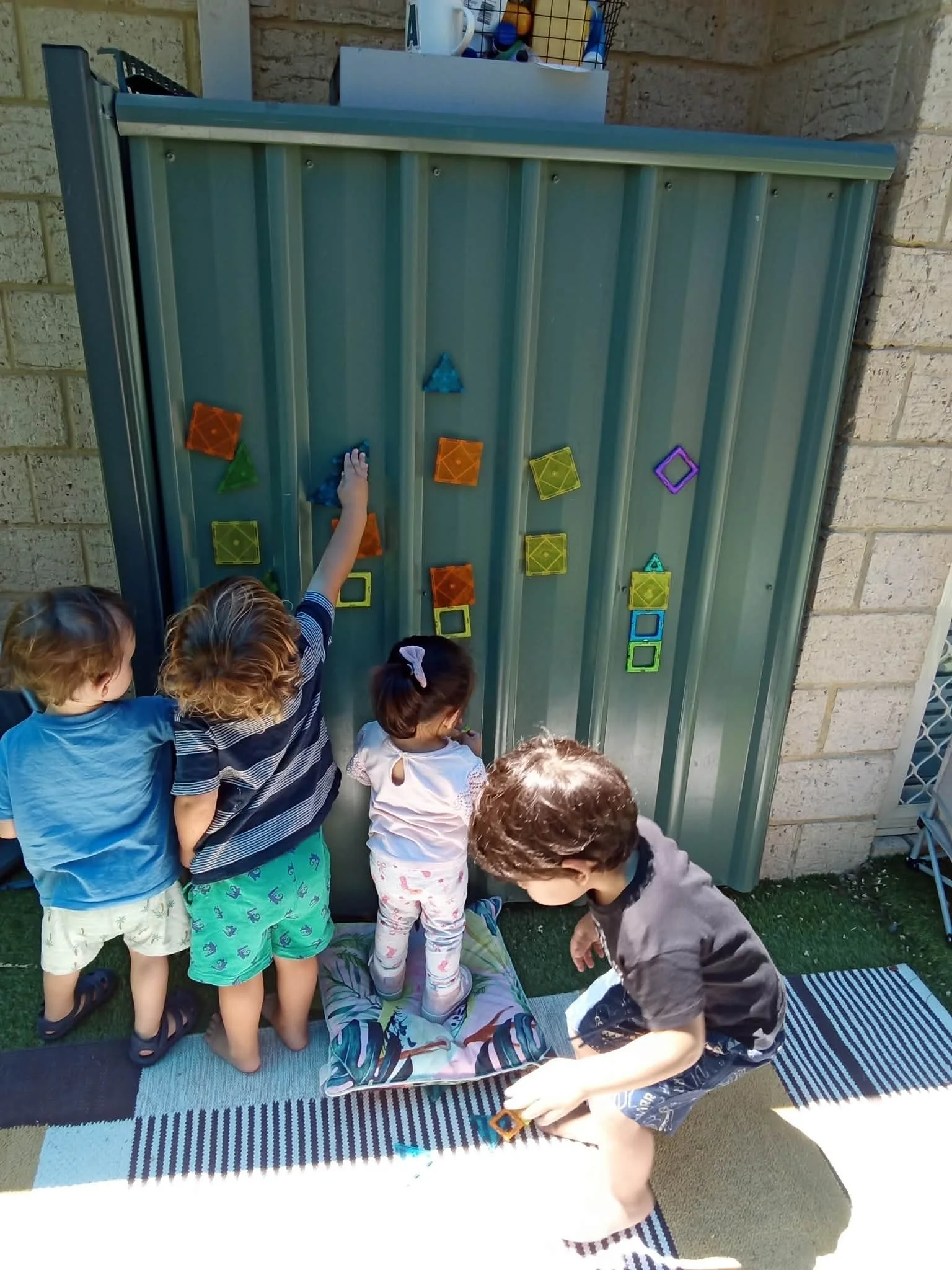
Play is the foundation of learning at our centre.
Our educators are trained to engage intentionally within play — extending conversations, guiding thinking and supporting both planned and spontaneous learning moments.
When children turn costumes into a doctor’s surgery, educators introduce discussions about caring for ourselves and others.
When children build towers, we support persistence and problem solving.
When stories are shared, language and emotional understanding grow.
There is intention behind everything we do, whether learning is planned or unfolding naturally through play.
Our Programs
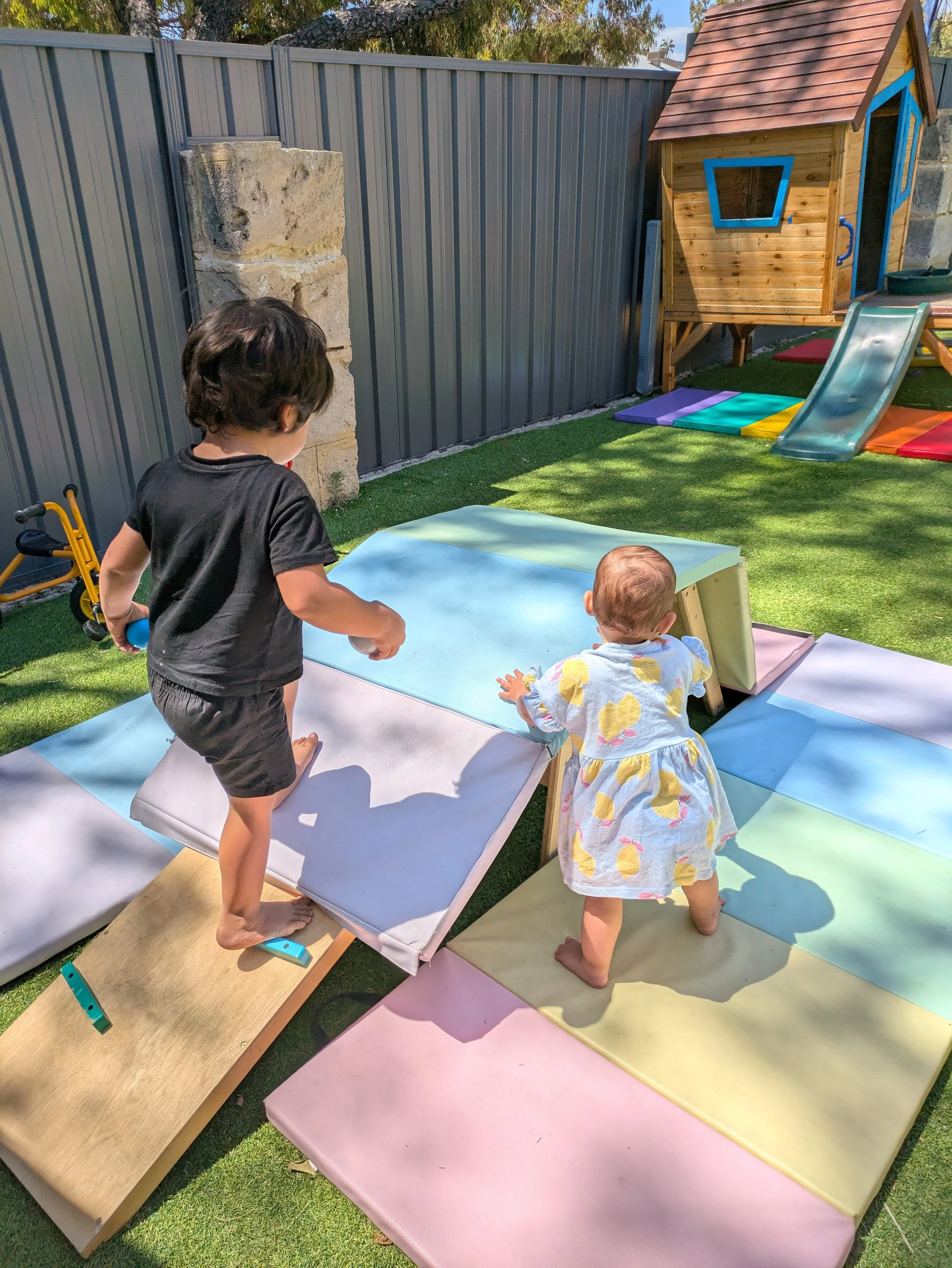
Nursery
6 weeks – 2 years
A calm, nurturing environment where babies build secure relationships, explore sensory experiences and begin developing early communication and movement skills.
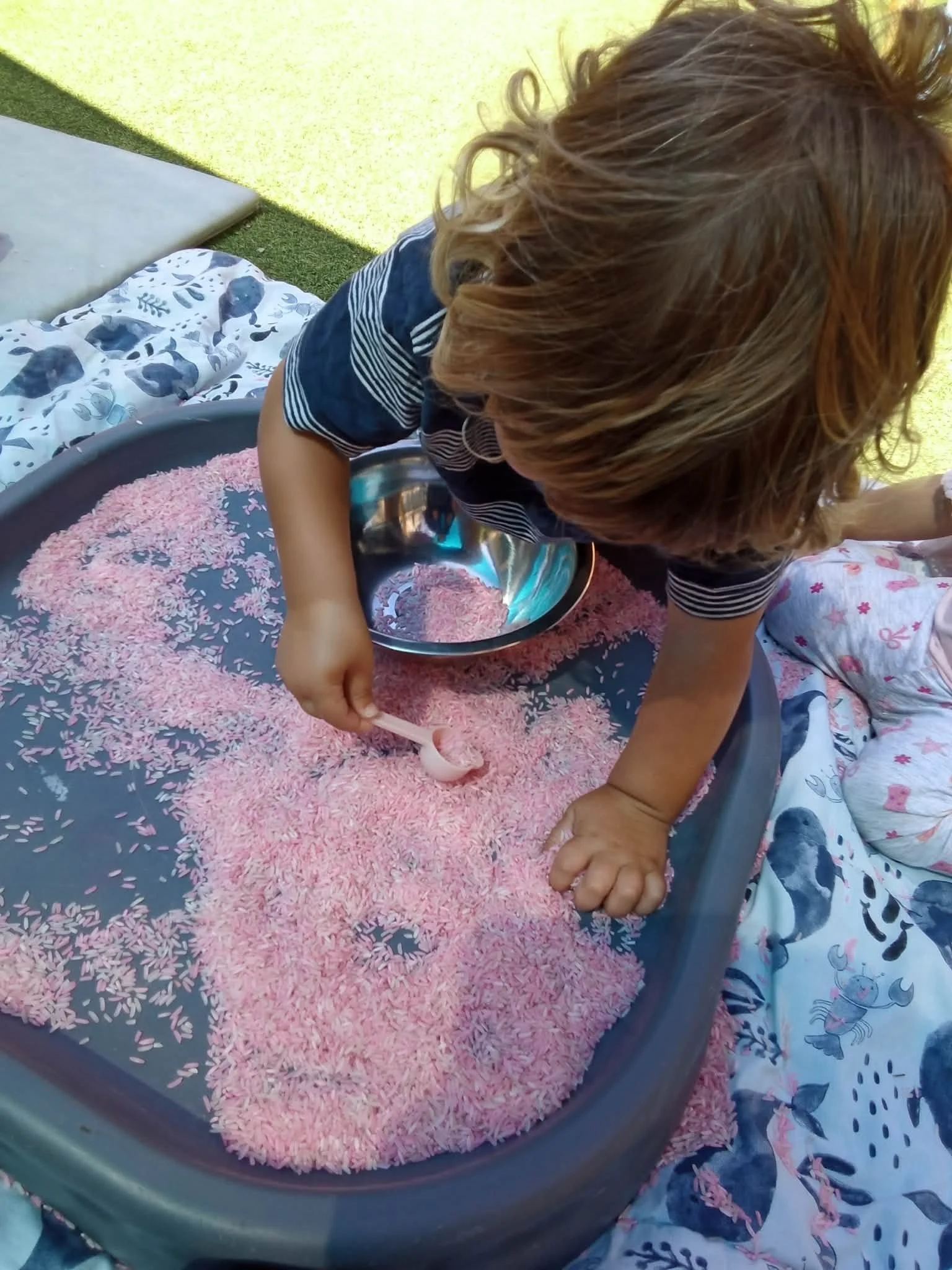
Toddler
2 - 3 years
Curiosity grows here. Through guided play and meaningful interaction, toddlers develop independence, language, social skills and confidence.
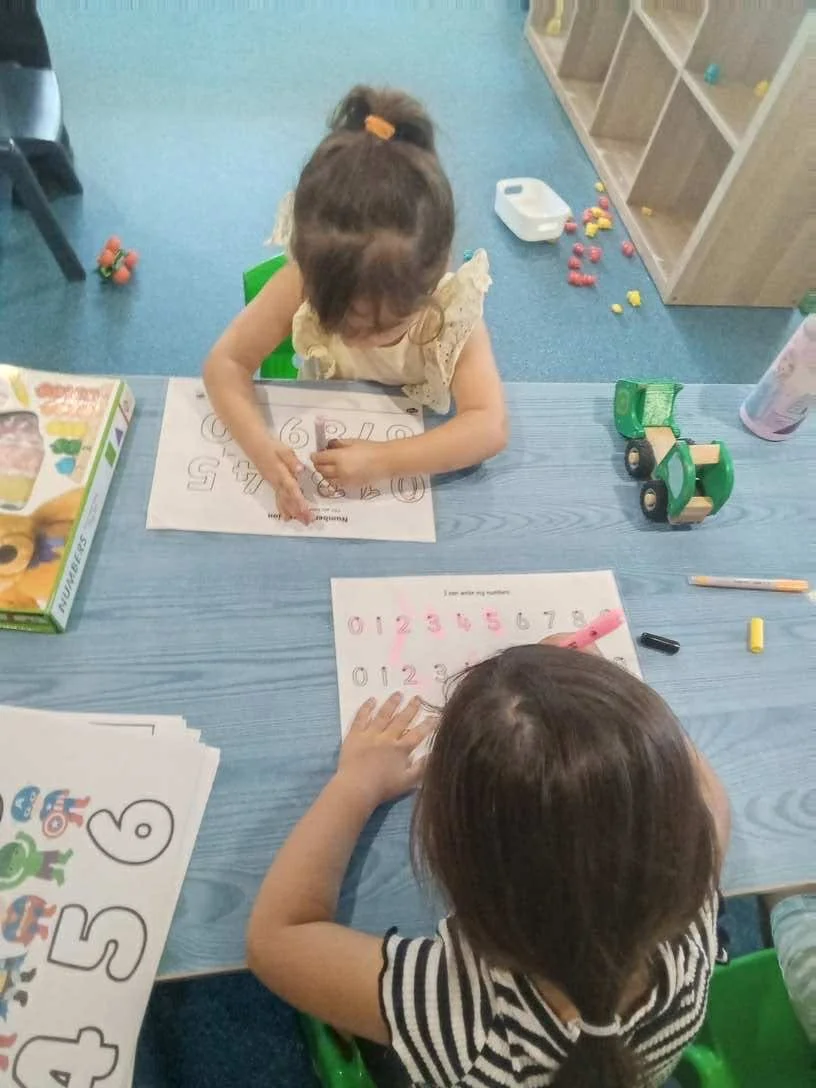
Kindy
3 - 5 years
With reduced 1:8 ratios, our Kindy program focuses on purposeful learning, emotional intelligence and school readiness through play, inquiry and collaboration.
Learning Experiences Across Our Programs
Across our Nursery, Toddler and Kindergarten programs, children experience rich and meaningful learning opportunities.
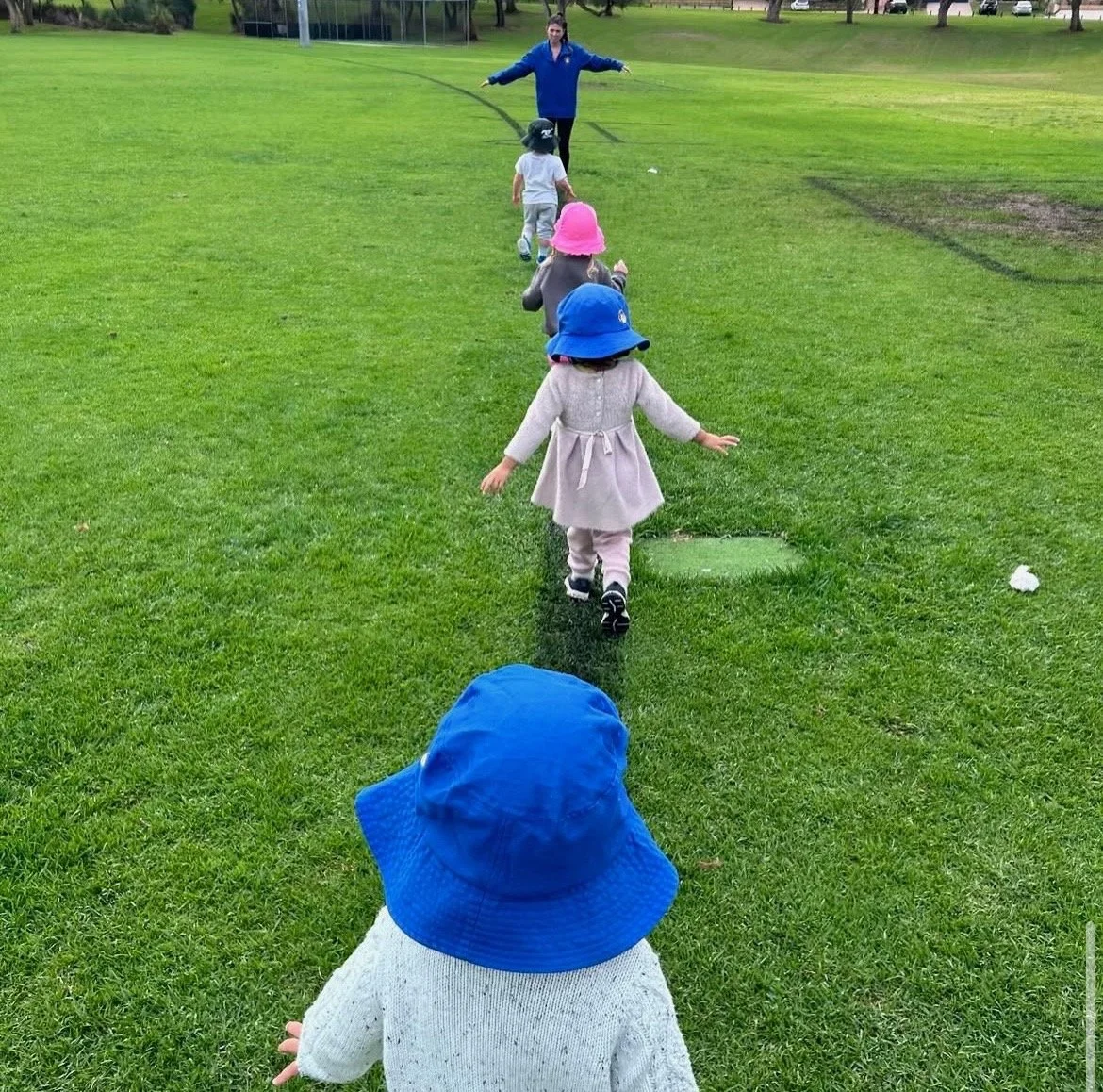
Bush Kinder
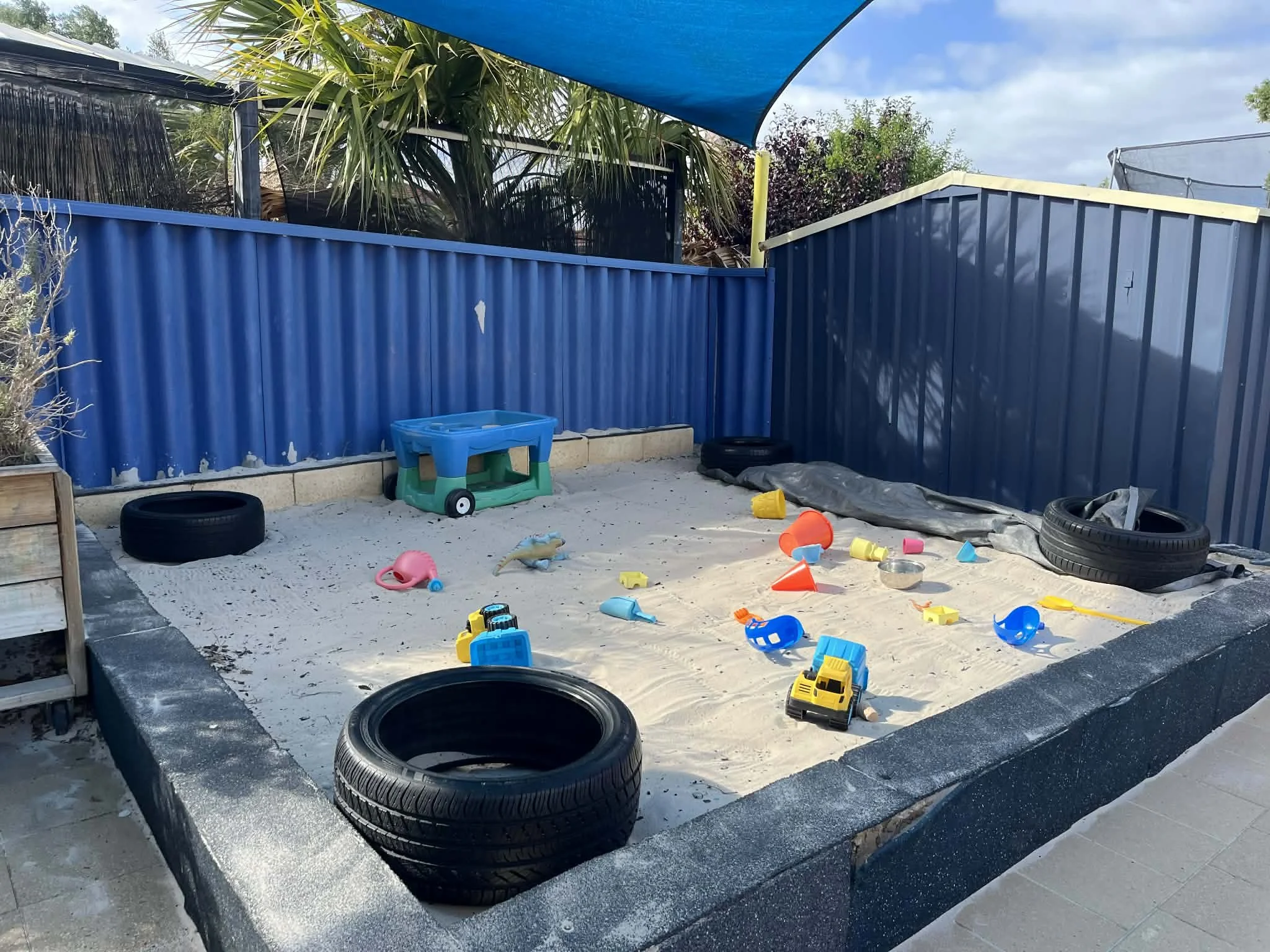
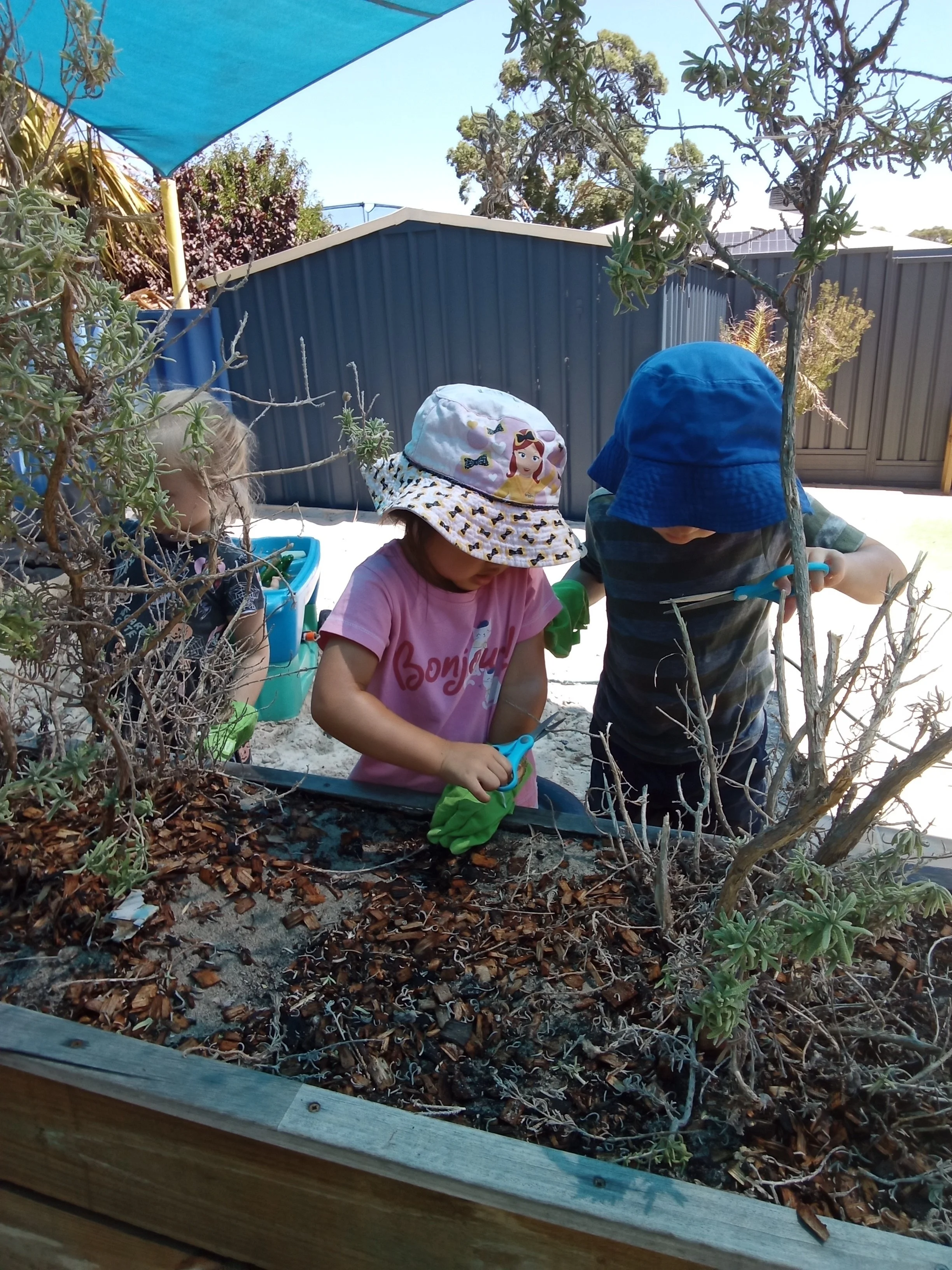
Outdoor exploration encourages resilience, curiosity and respect for the natural world.
Early Reading and Literacy
Books grow little minds. Children are immersed in language rich environments that foster communication and early literacy development.
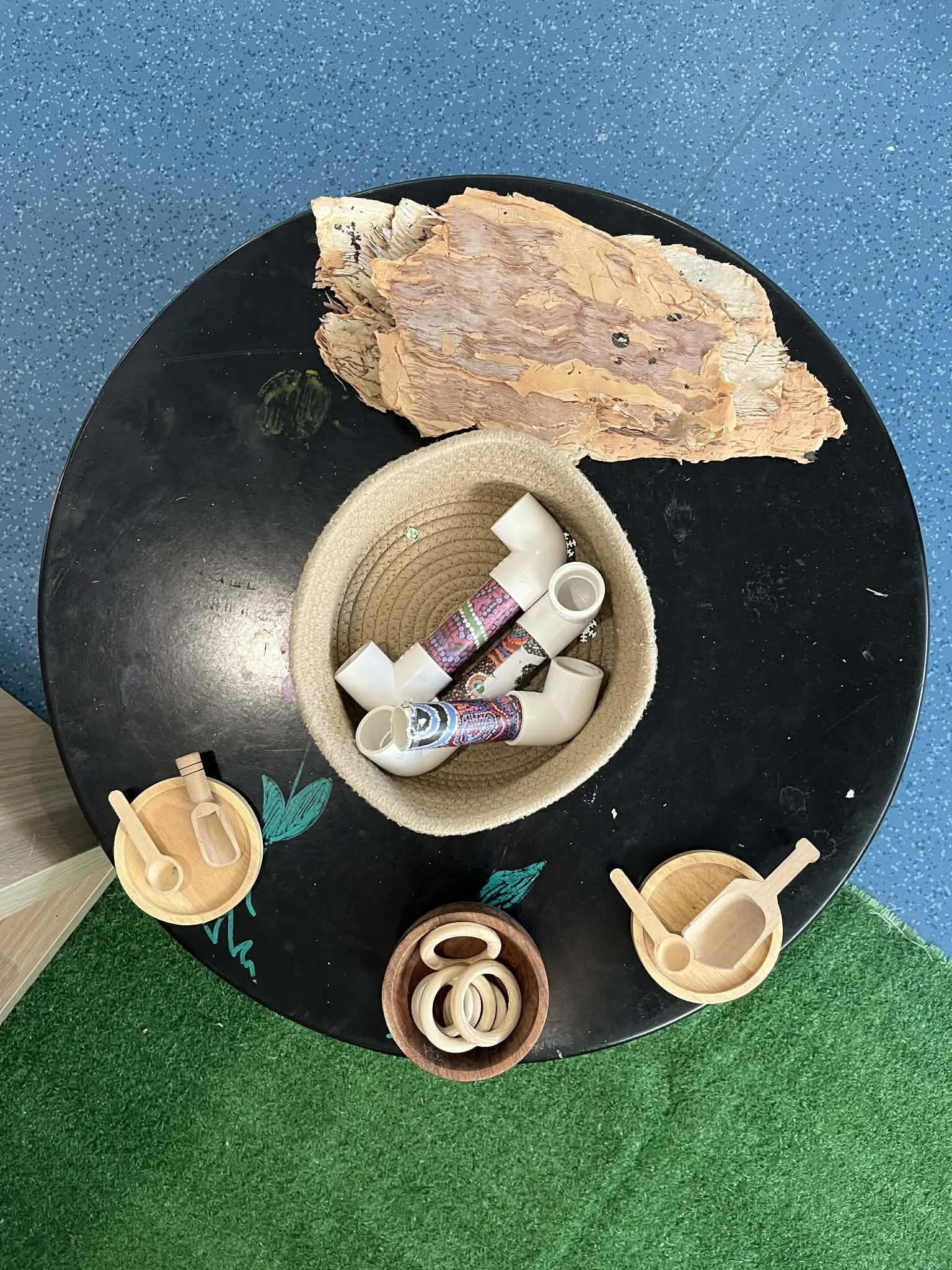
Sensory and Water Play
Hands on exploration supports investigation, coordination and confidence.
Creative Expression and Physical Development
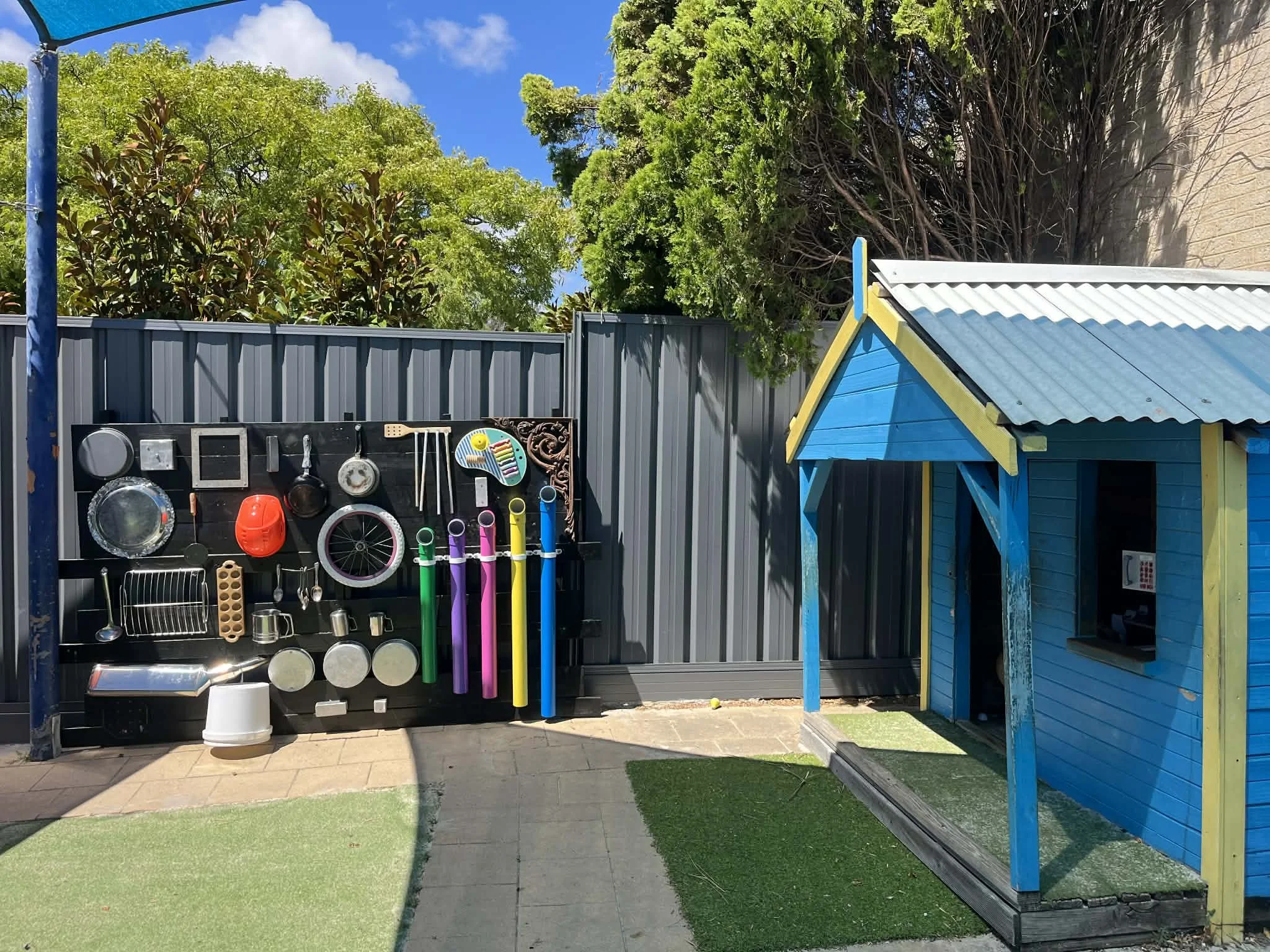
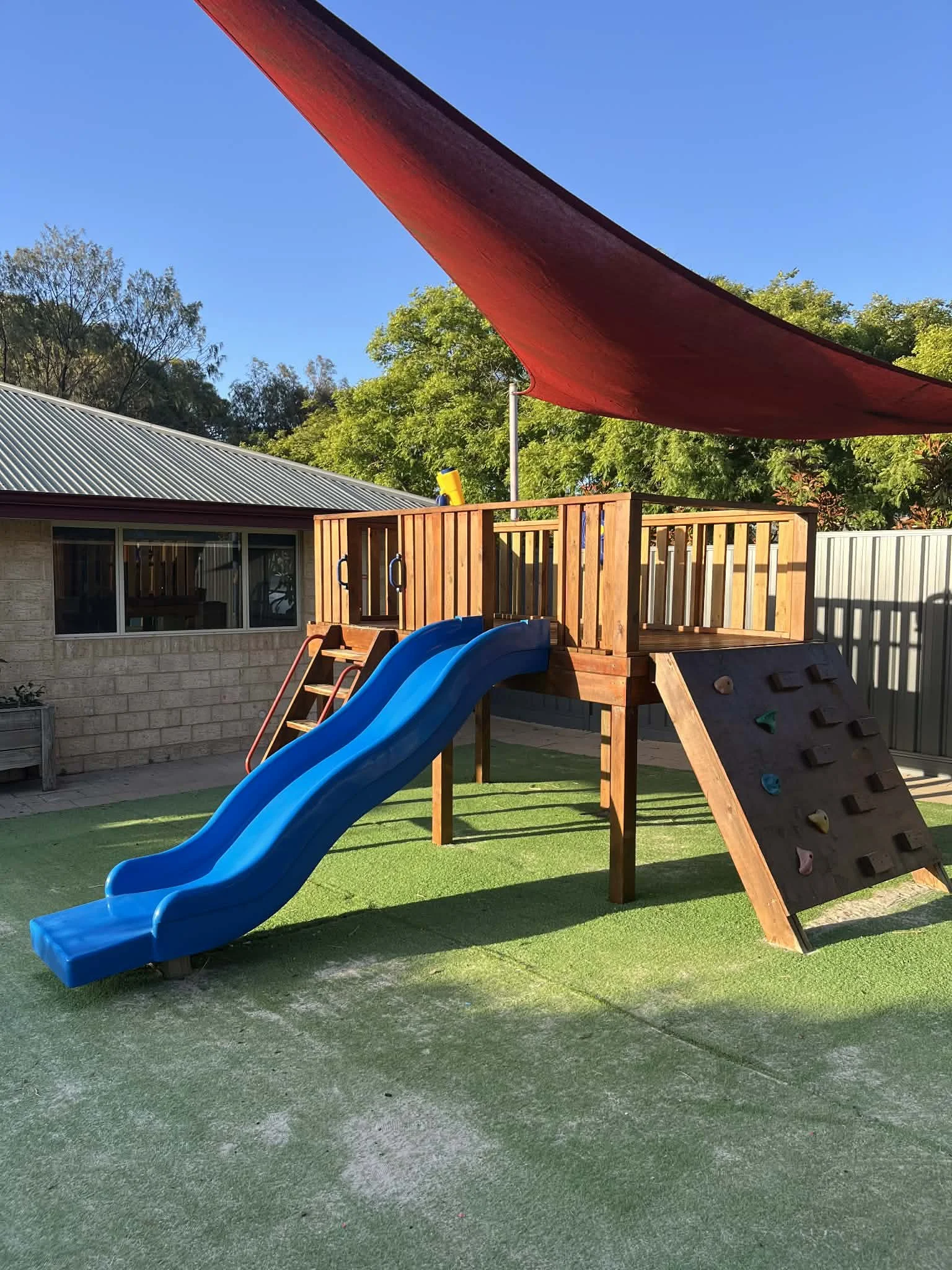
Music, movement and collaborative play encourage expression, independence and social connection.
The 10 Guiding Principles for Nurturing Future Changemakers
Our Mission: To provide more than care. We are a learning community where children develop the foundational life skills to understand themselves, connect with others, and engage creatively with the world.
For Our Educators: These principles guide their daily interactions, environment setup, and teaching moments.
-
Every action is a communication. Before redirecting, ask: "Is this child seeking connection, expressing a big feeling, or testing a hypothesis about their world?" Respond to the need, not just the action.
-
Label feelings in natural moments—yours and theirs. "You look frustrated your tower fell." "I feel calm when I take a deep breath." This builds self-awareness and the first tool for empathy.
-
When conflict or challenge arises, don't be the swift solver. Be the facilitator. "You both want the red truck. What could we do?" . This builds negotiation, critical thinking, and ownership.
-
Honour children’s questions as deeply as their ability to follow instructions. We use language like “Let’s explore it together” to open thinking, not shut it down. We cultivate the inquisitive minds that drive real learning and innovation.
-
Praise the attempt, the strategy, the persistence. "You worked on that drawing for a long time with so much focus!" not just "What a pretty picture!" This builds resilience and a growth mindset.
-
Bring the world into our day — exploring cultures, families and abilities through books, play and conversation. Celebrate difference as part of who we are and how we belong together.
-
Model open-minded thinking. "I wonder how the caterpillar feels in its chrysalis?" "I wonder what would happen if we built the bridge this way?" This teaches children to consider possibilities and multiple viewpoints.
-
Communicate with respect, warmth, and patience. The way you speak to children and colleagues is their primary model for how people should treat one another. Demonstrate respectful/ appropriate communication every minute.
-
Create spaces that invite collaboration (shared building areas), quiet reflection (cozy nooks), and creative expression (open-ended materials). Ensure it says, "Explore, create, and work together here."
-
Point out their innate strengths. "You are a problem-solver." "You showed great kindness when you helped Sam." "You had a great idea that we all used!" This identity-building helps them see themselves as capable, influential people.